


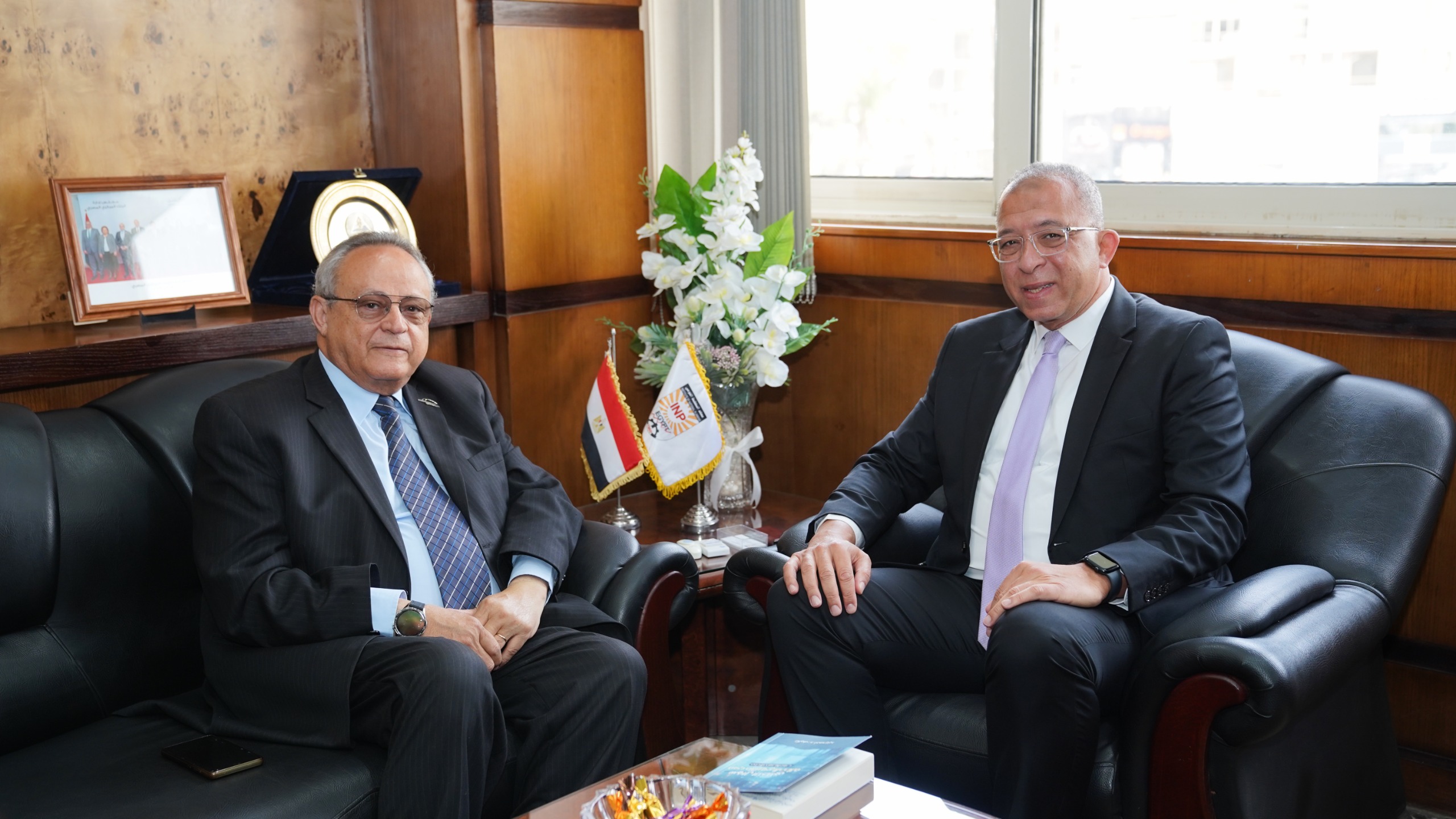
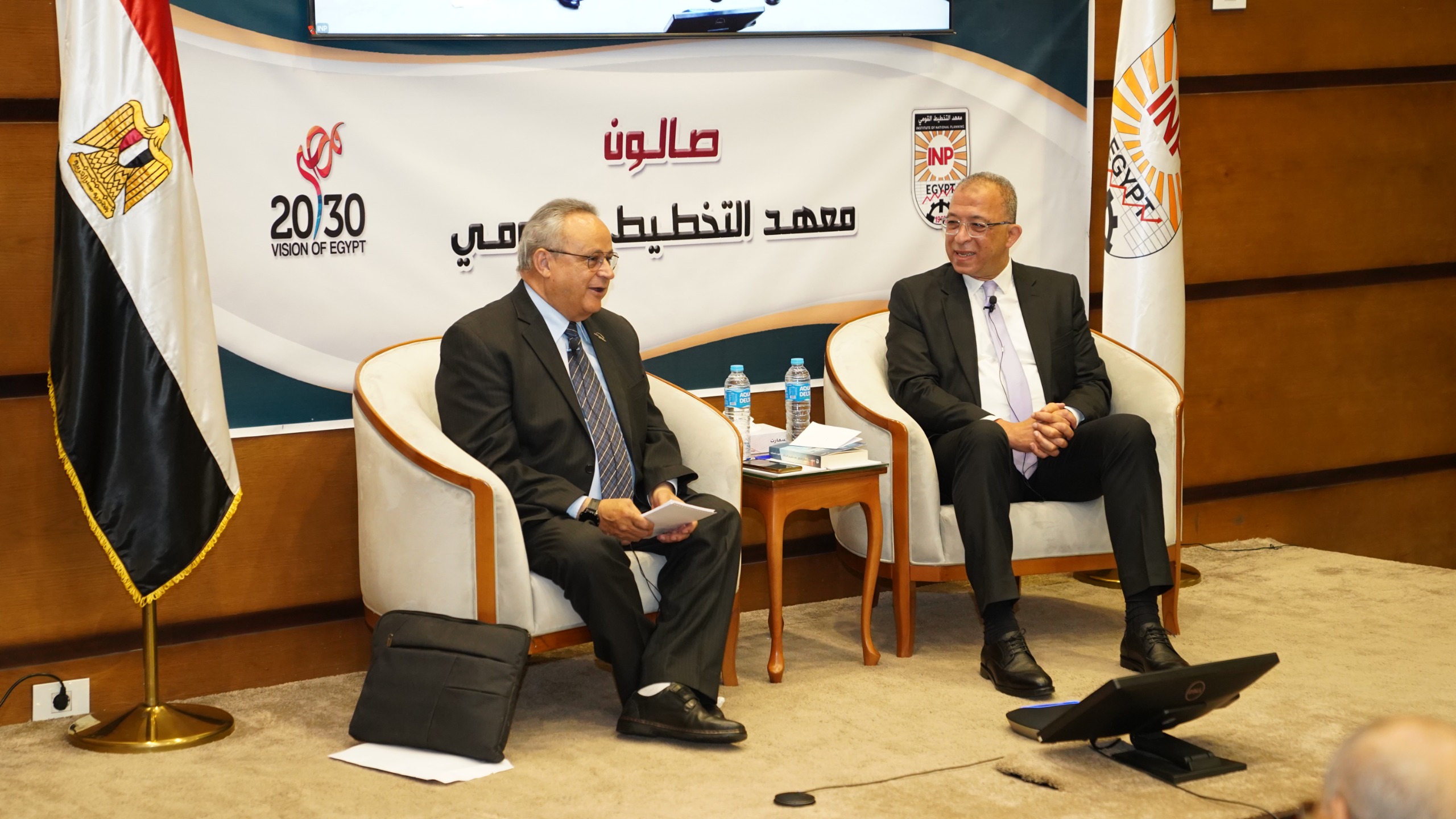
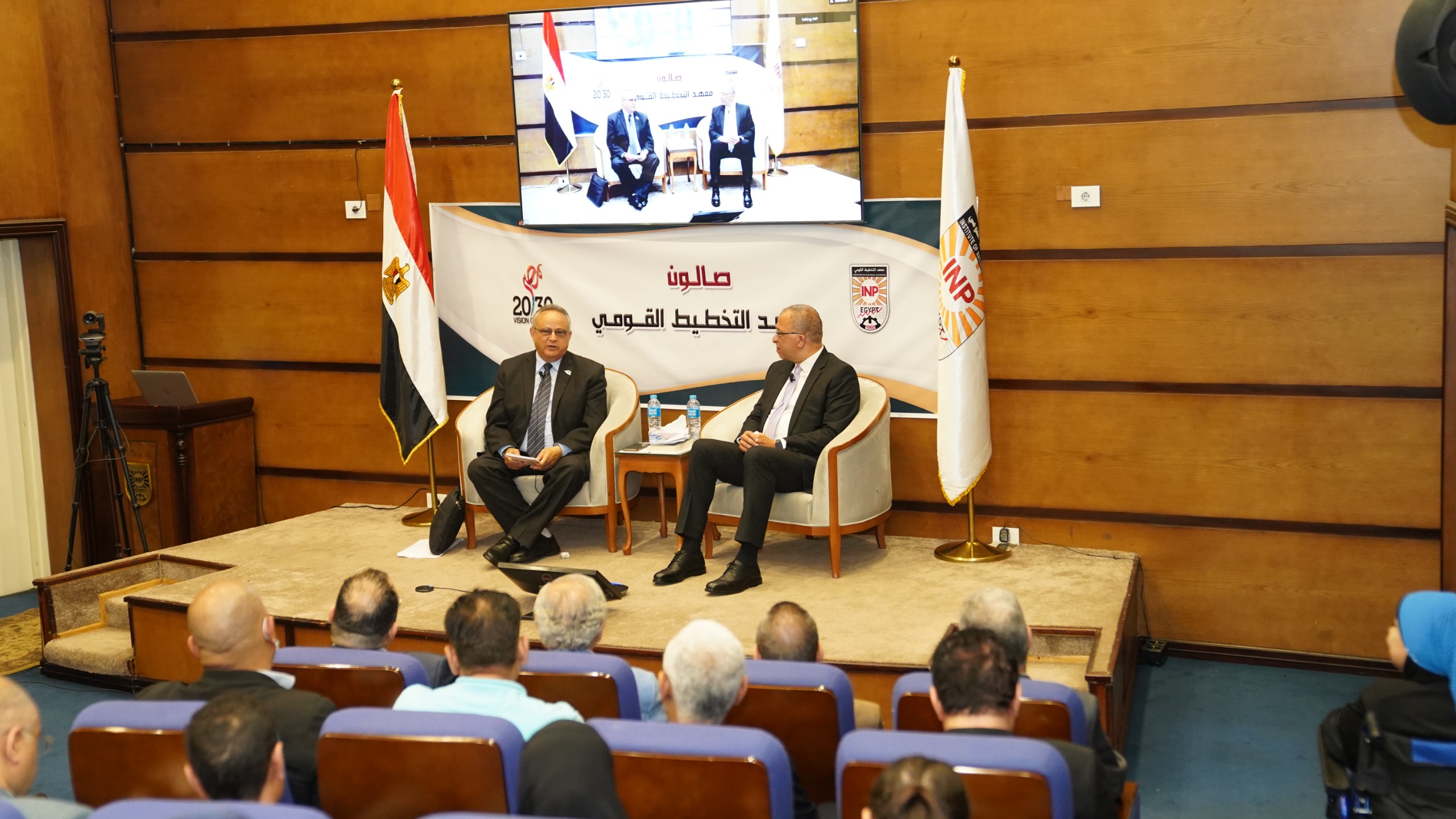
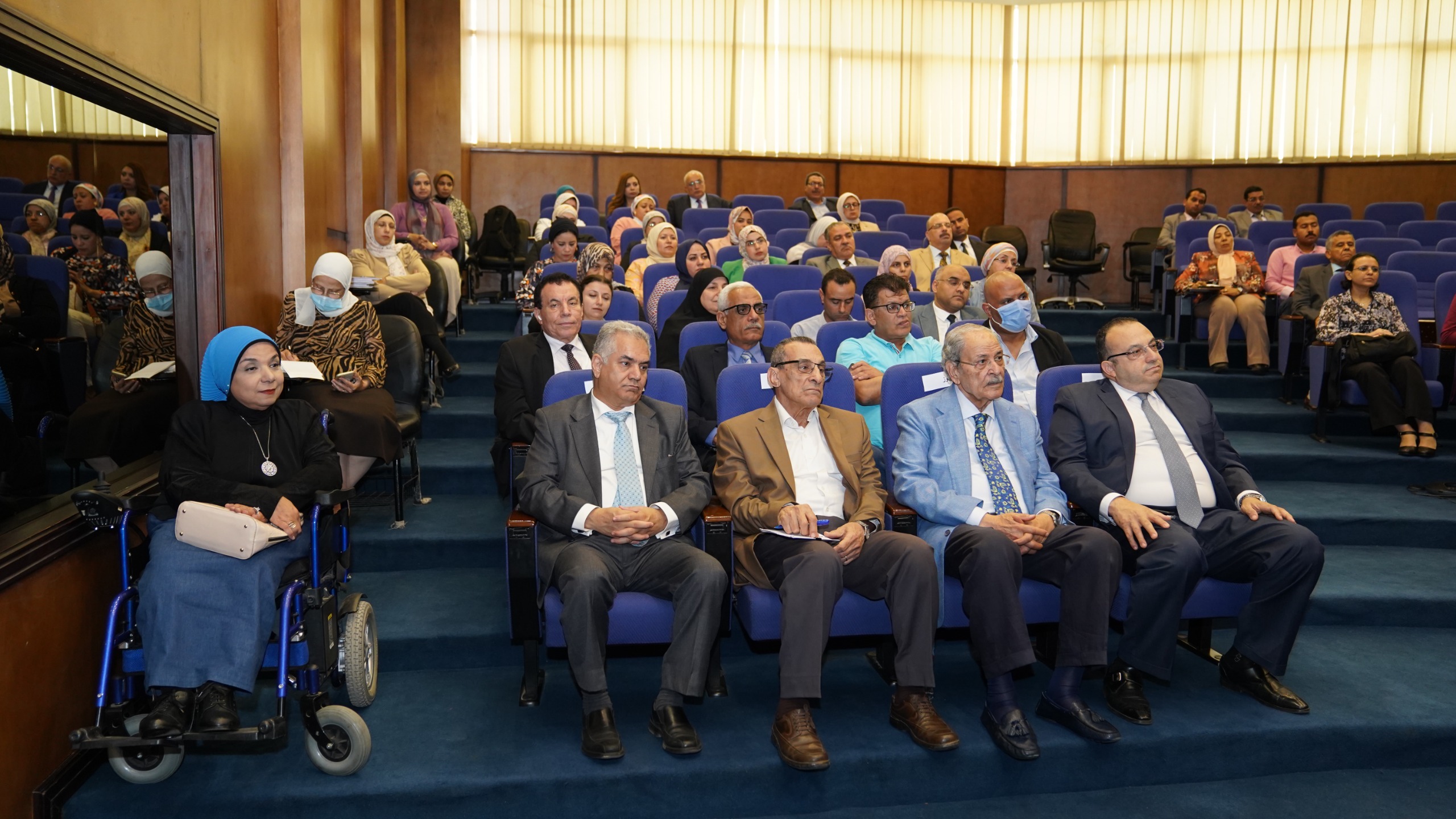
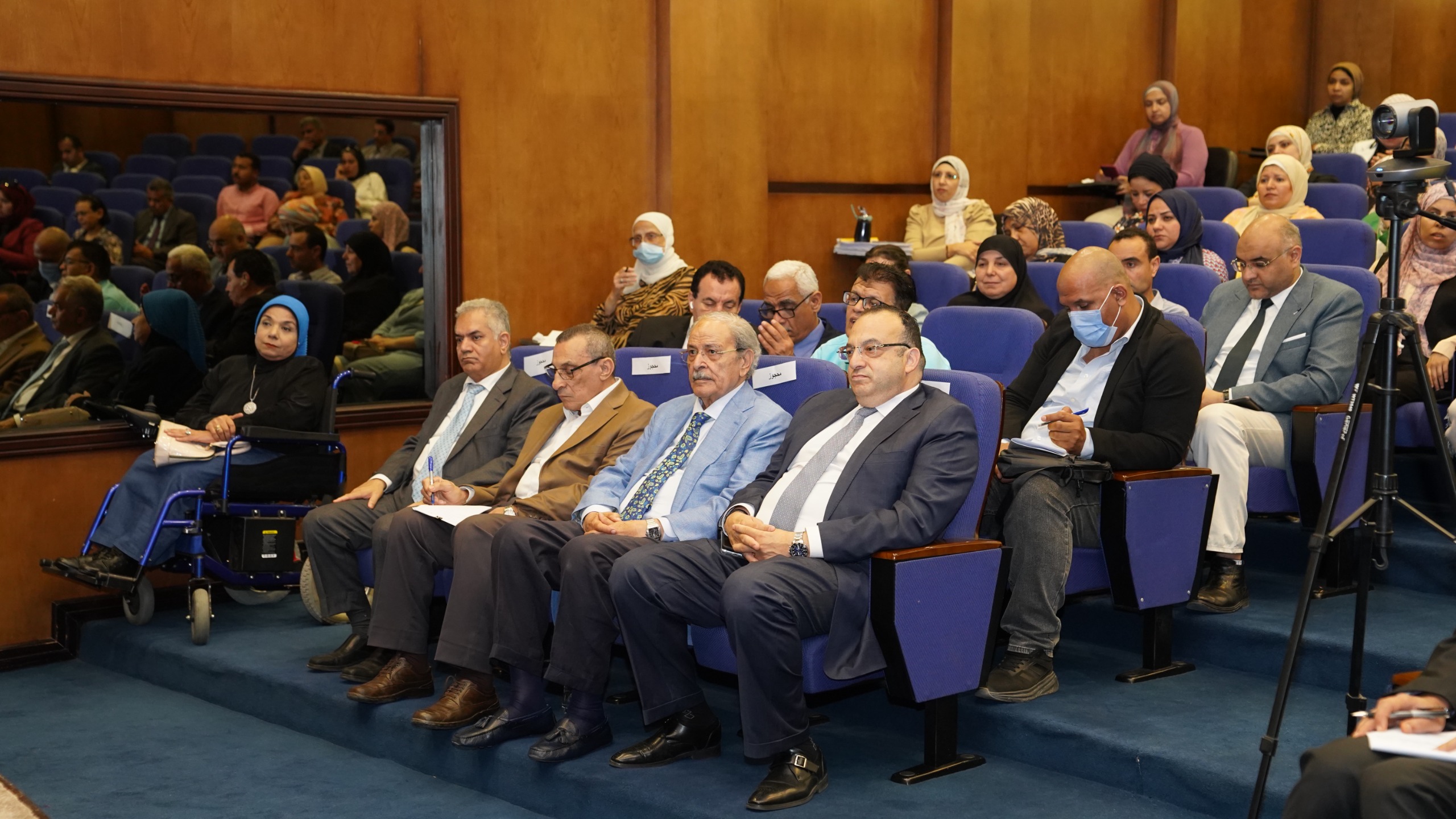
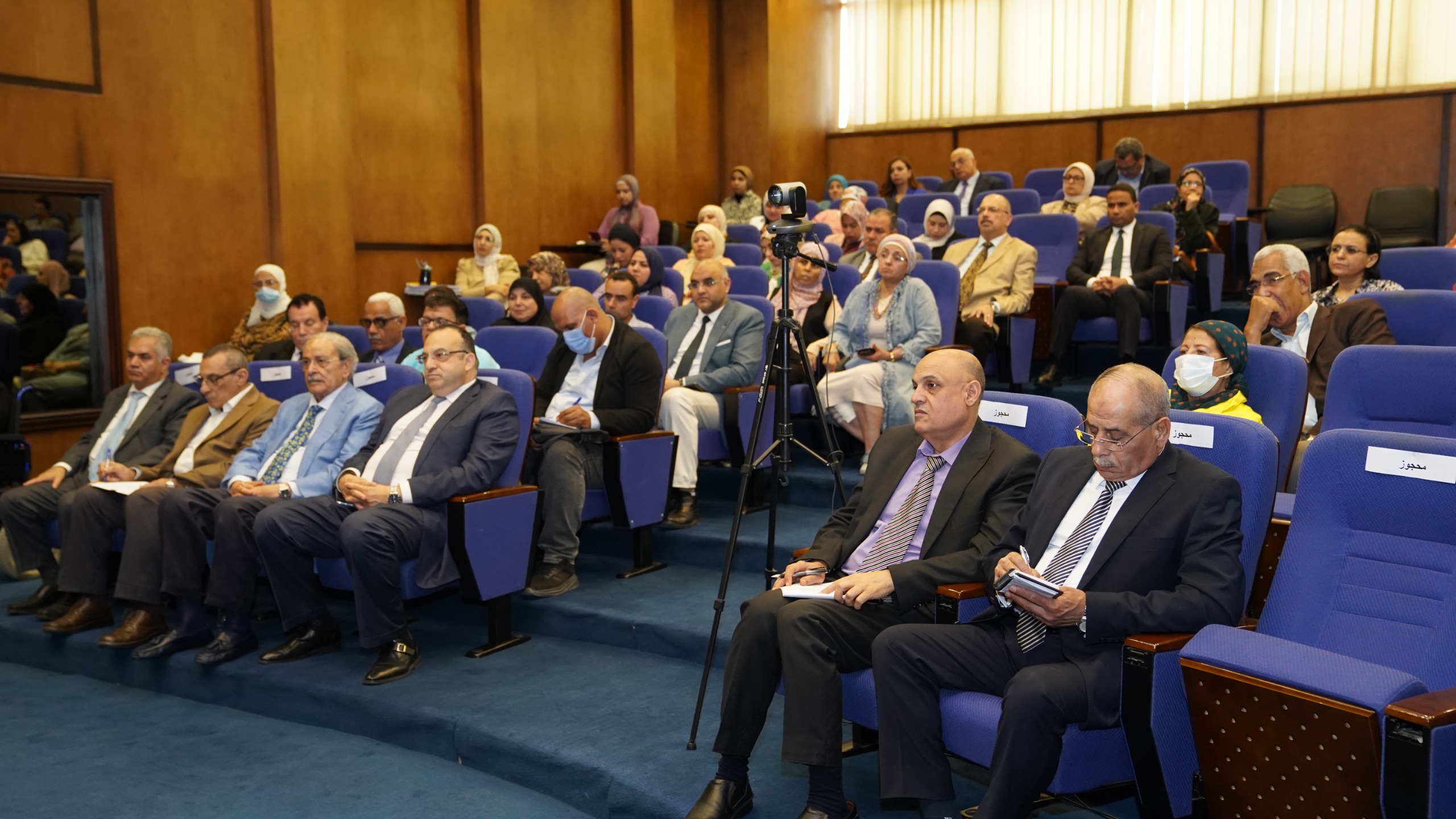

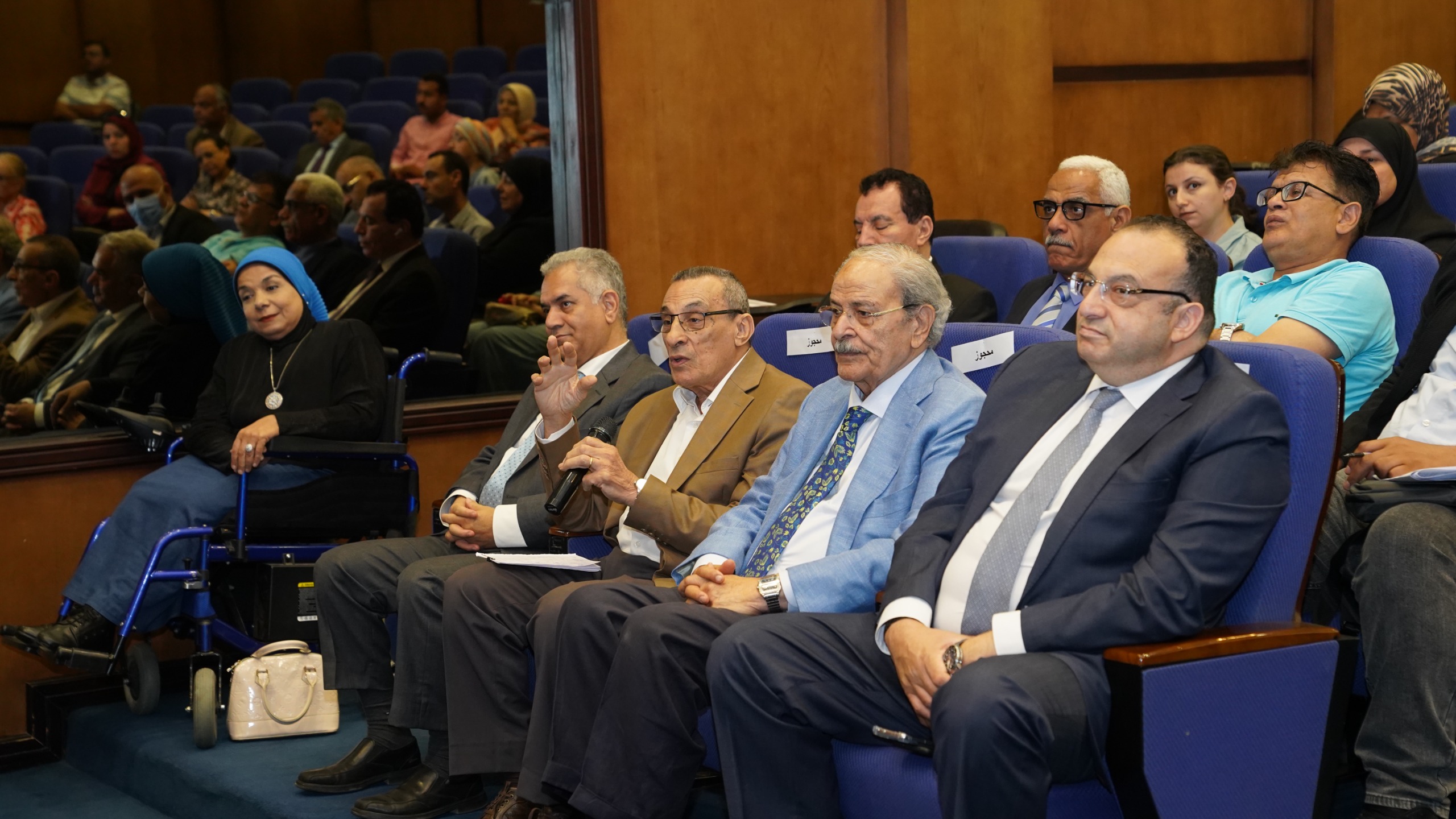
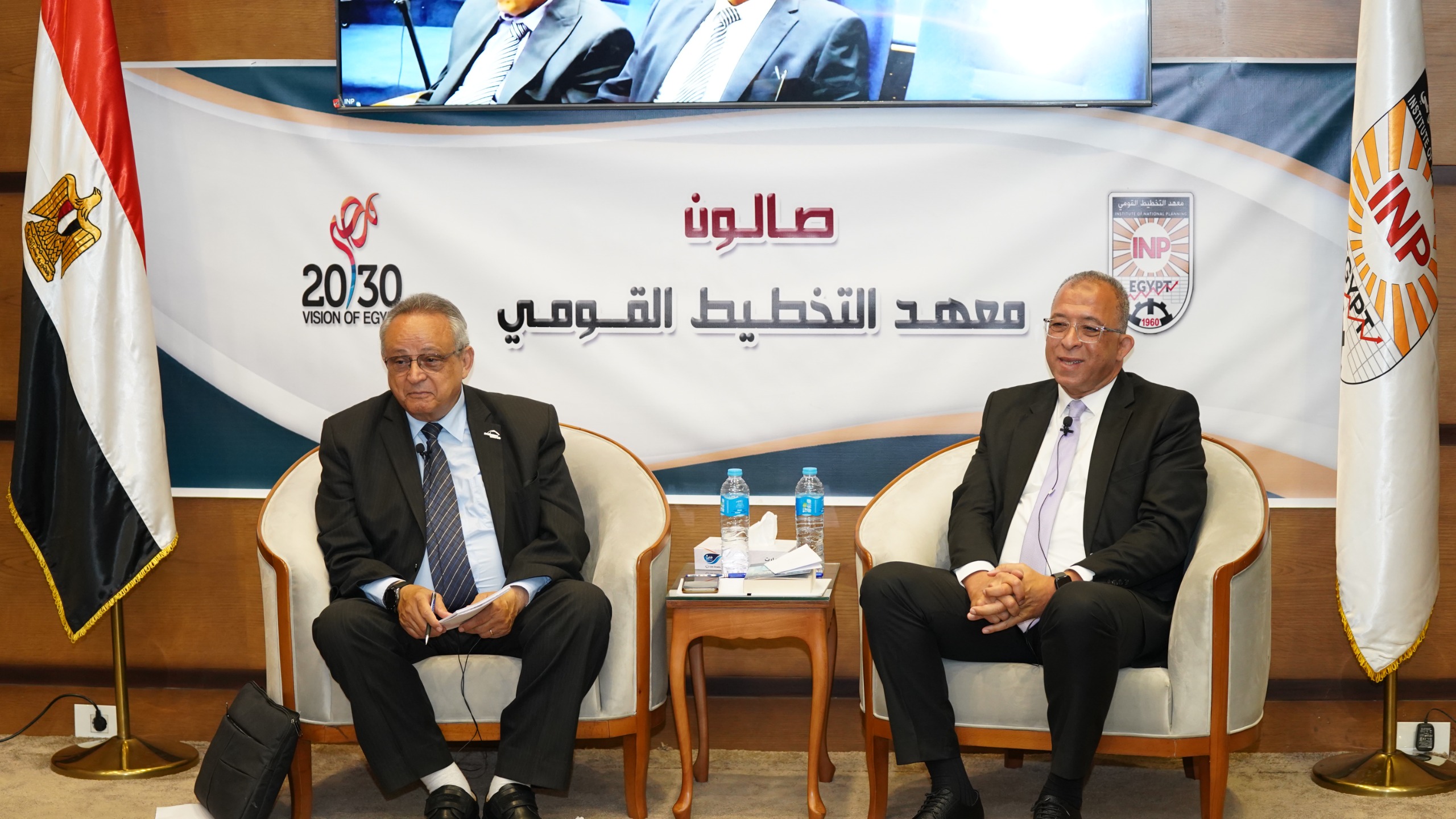

Professor Dr. Ashraf El-Araby, President of the Institute of National Planning (INP), hosted Professor Dr. Ahmed Zayed, Director of the Bibliotheca Alexandrina, for the third session of the INP Salon for the 2024/2025 academic year. The session, titled “Dilemmas of the Modernist Project: From Contextual Disintegration to Moral Fragility,” was attended by a select group of public figures, former ministers, specialists, and intellectuals engaged in cultural discourse.
At the outset, Professor Dr. Ashraf El-Araby outlined the session’s objective: to examine the ethical crisis confronting the modernist project and the new socio-cultural realities arising from postmodern transformations, which have led to eroding values and weakened ethical frameworks. He emphasized the urgent need to develop proposals and solutions to address this crisis, particularly in light of rapid scientific and technological advancement and successive global challenges.
Professor Dr. Ahmed Zayed presented an in-depth intellectual analysis of modernity. He affirmed that modernity represents a continuous state of openness and renewal—a driving force for change that dismantles rigid constants, including traditions and inherited norms. Dr. Zayed noted that while the modernist project was the impetus behind the capitalist system, it also became intertwined with concepts of domination and colonialism. He traced the historical trajectory of modernism, highlighting its deviation from the ethical principles established by foundational philosophers such as Aristotle, Plato, and Ibn Rushd, through the Middle Ages and the Renaissance, which embodied values of the good, the beautiful, and the social contract.
Dr. Zayed asserted that this deviation has precipitated a decline in ethics, fragile social contexts, and the rise of fascist, populist, and fundamentalist tendencies, alongside the resurgence of traditional hegemonic practices. He further observed that technological progress has created fast-paced societies where individuals struggle to keep pace or adapt to demands, resulting in the erosion of pleasure and heightened anxiety and insecurity.
Addressing postmodern ethics—characterized by the absence of constants and unpredictability—Dr. Zayed emphasized that the individual’s relationship with the self has become more prominent than their relationship with society amid fading common standards. He posited that ethics originate from within the individual, built on self-awareness, knowledge, and the importance of coexistence, enabling conscious adaptation to society.
Concluding his remarks, Dr. Zayed stressed the imperative of restoring ethics through a new humanistic modernity. This approach would elevate the individual, counter market overreach, and contribute to building a human self within an integrated societal system encompassing family, education, and culture. He also called upon the middle class to reassess its ethical discourse and societal role